General
Monitoring Centers: The Heart of Medical Alerts
Safety and quick emergency help matter more than ever, especially for seniors and people with health issues. When a health crisis hits, every second makes a difference, and knowing help comes with just a button press can save lives. Monitoring centers run medical alert systems like lifelines, acting as the crucial link between folks in trouble and emergency responders. People who want peace of mind and faster help should pay attention because this lifeline could change how emergencies unfold for them.
Monitoring centers are the backbone of medical alert services. They operate behind the scenes to ensure that whenever someone activates an alert, swift action is taken. With advancements in technology, these centers have become more sophisticated, integrating new communication methods and data security measures. Their role extends beyond simple emergency response, offering peace of mind for families and caregivers, whether residents are at home, in assisted living, or on the move. Understanding how monitoring centers work, their benefits, and how to choose the right one can help ensure safety is always within reach.
How Monitoring Centers Operate in Medical Alert Systems
The Role of Teleoperators and Trained Responders
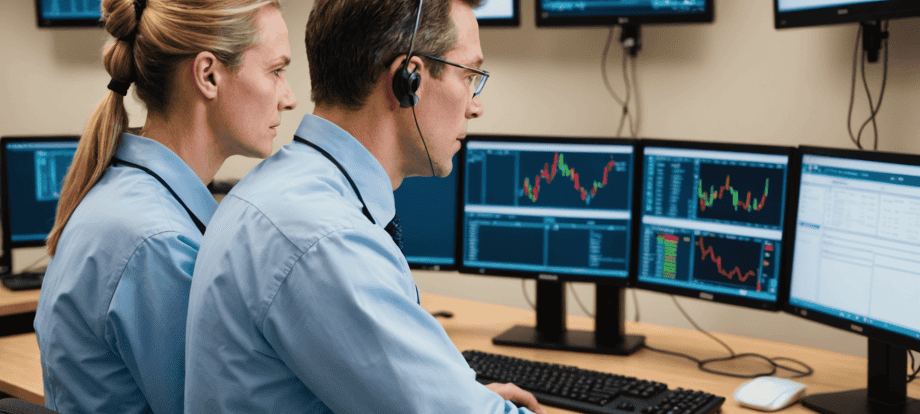
Monitoring centers function as command hubs, staffed by trained teleoperators who monitor incoming alerts 24/7. When a user presses their medical alert button—often worn as a pendant or bracelet—the signal is transmitted via the device’s communication network to the center. The teleoperator then quickly assesses the situation, communicates with the individual to gather information, and determines the appropriate response.
For example, if an older adult falls and cannot get up, the responder can call for local emergency services, notify family members, or guide the individual in real-time through basic first aid. The ability to respond rapidly and accurately is what makes these centers vital in emergency management.
Types of Communication Technologies in Monitoring Centers
Landline vs. Cellular Systems
Historically, medical alert devices relied on landline connections, but modern systems have largely shifted towards cellular technology. Cellular-enabled devices offer greater flexibility, allowing users to maintain safety whether at home or outside. Cellular systems also tend to provide more reliable coverage, especially in areas where landline infrastructure is limited.
Some advanced systems incorporate GPS tracking, making it possible to locate users during outdoor activities and dispatch help even if the person is away from their home. This technological evolution has expanded the reach of monitoring centers, making emergency response more immediate and effective.
Benefits of Professional Monitoring for Medical Alerts
Engaging with a professional monitoring center provides numerous advantages. First, it ensures that help arrives promptly, reducing potential complications from delayed response. Second, it offers reassurance to users and their families, knowing that trained responders are always ready. Additionally, many centers provide integrated services like medication reminders, daily check-ins, and even environmental sensors that detect smoke or gas leaks.
- Speedy Emergency Response: Immediate connection to emergency services can significantly reduce health risks.
- 24/7 Availability: Support is accessible any time, day or night.
- Personalized Assistance: Responders can communicate directly with individuals to assess the situation and provide tailored help.
- Peace of Mind: Families feel more confident knowing their loved ones are monitored constantly.
How to Choose a Reliable Monitoring Center
Assessing Security and Privacy Measures
When selecting a monitoring center, ensure that they follow strict security protocols to protect personal information. Data encryption, compliance with health privacy laws, and transparent privacy policies are signs of a trustworthy provider. In addition, confirm that the center operates with trained personnel capable of handling various emergency situations.
Evaluating Response Times and Technology Compatibility
Response speed is critical. Ask about average response times and how they handle different types of alerts. Compatibility with the devices you or your loved ones use is also essential. Verify whether the center supports cellular, landline, or GPS-enabled devices, depending on lifestyle needs. Reading reviews and seeking recommendations can provide insight into the reliability of different services.
The Future of Monitoring Centers in Medical Emergency Response
Advances in artificial intelligence and machine learning are beginning to influence how monitoring centers operate. These technologies can assist in better analyzing alert data, reducing false alarms, and prioritizing emergencies more effectively. Video monitoring and remote health monitoring devices are also becoming more integrated, providing responders with real-time visual or health data before they even make contact.
These updates aim to make response mechanisms more accurate, faster, and tailored to individual needs. As technology progresses, monitoring centers will continue to evolve, offering even greater assurance for at-risk populations.
Practical Tips to Maximize the Effectiveness of Medical Alert Services
- Test Devices Regularly: Schedule periodic tests to ensure your alert system works correctly and response teams are prepared.
- Keep Information Updated: Make sure the monitoring center has current contact details, medical conditions, and medication information.
- Educate Users: familiarize seniors and caregivers with how the system works, what to expect during alarms, and how to respond.
- Integrate Additional Safety Features: Consider using environmental sensors for smoke or gas leaks or fall detection devices for added security.
- Choose a Service with Local Emergency Partnerships: Ensure the monitoring center has established relationships with local emergency providers for swift dispatch.
Conclusion
Monitoring centers serve as the pivotal point in the chain of emergency response when it comes to medical alert systems. They combine advanced communication technologies, well-trained responders, and reliable processes to deliver rapid help during moments of crisis. Whether for aging family members, individuals with health conditions, or those who value safety during outdoor activities, a dependable monitoring center offers vital reassurance.
By understanding how these centers operate, evaluating their services, and choosing providers with proven response times and security, you can significantly enhance safety outcomes. As technology continues to develop, these centers will become even more capable, providing peace of mind for years to come. To explore options that prioritize safety and reliability, consider consulting trusted providers and Advisory Excellence for expert insights and recommendations.